

Blog
4HP Compressor vs. Standard Compressor: Which One is Right for Your Brake System?
2023-09-05
Table of Contents:
1. Introduction
2. What is a 4HP Compressor?
3. How Does a 4HP Compressor Work?
4. Advantages of a 4HP Compressor
5. Limitations of a 4HP Compressor
6. What is a Standard Compressor?
7. How Does a Standard Compressor Work?
8. Advantages of a Standard Compressor
9. Limitations of a Standard Compressor
10. Choosing the Right Compressor for Your Brake System
11. Frequently Asked Questions (FAQs)
12. Conclusion
When it comes to selecting a compressor for your brake system, understanding the differences between a 4HP compressor and a standard compressor is crucial. This comprehensive guide aims to provide you with all the necessary information to make an informed decision based on your specific requirements.
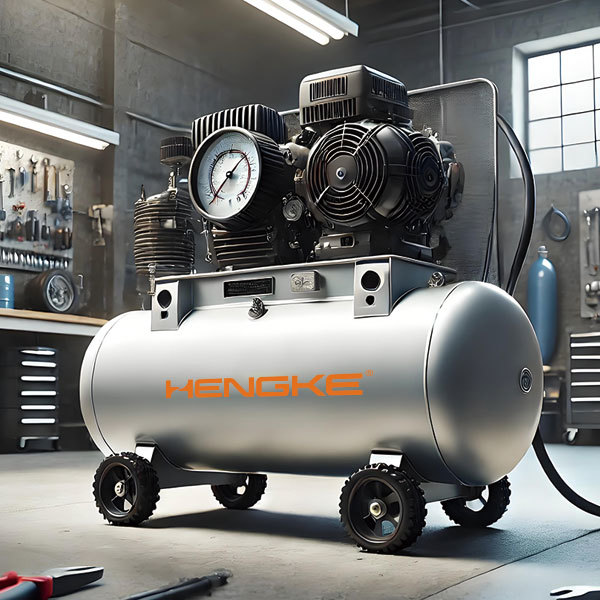
A 4HP compressor refers to a high-performance air compressor with a power output of 4 horsepower. It is specifically designed to meet the demanding needs of brake systems in various applications, such as automotive, industrial, and commercial sectors.
A 4HP compressor utilizes a motor-driven piston mechanism to compress air and generate a high-pressure output. This compressed air is then used to activate brakes effectively in vehicles or other systems that require precise and reliable braking performance.
- Enhanced Brake Performance: The high power output of a 4HP compressor ensures efficient and effective brake activation, resulting in improved overall braking performance.
- Faster Response Time: The increased horsepower allows the compressor to deliver compressed air quickly, reducing the response time required for brake activation.
- Suitable for Heavy-Duty Applications: 4HP compressors are ideal for heavy-duty brake systems, commonly found in commercial vehicles, heavy machinery, and industrial equipment.
- Higher Cost: Due to their advanced capabilities, 4HP compressors tend to be more expensive compared to standard compressors.
- Larger Size: 4HP compressors typically have a larger physical footprint, which may limit their installation options in certain vehicle or system configurations.
- Higher Power Consumption: With increased power output comes higher power consumption, which can impact fuel efficiency in automotive applications.
A standard compressor, also known as a conventional compressor, refers to a compressor with a power output lower than 4 horsepower. These compressors are commonly used in various applications, including brake systems.
Similar to a 4HP compressor, a standard compressor also utilizes a motor-driven piston mechanism to compress air. However, the power output of a standard compressor is lower, catering to the requirements of less demanding brake systems.
- Cost-Effective: Standard compressors are generally more affordable compared to 4HP compressors, making them a preferred choice for budget-conscious consumers.
- Compact Size: Standard compressors are available in compact sizes, allowing for easier installation in various vehicle or system configurations.
- Energy Efficiency: With lower power output, a standard compressor consumes less energy, contributing to improved fuel efficiency in automotive applications.
- Reduced Performance in Heavy-Duty Applications: Standard compressors may struggle to meet the demands of heavy-duty brake systems, leading to potential performance limitations.
- Longer Response Time: Due to the lower horsepower, a standard compressor may require slightly longer response time for adequate brake activation.
Selecting the appropriate compressor for your brake system depends on various factors such as the specific application, system requirements, and budget considerations. Consider the power output, performance needs, installation space, and cost implications to make an informed decision.
1. Can I use a 4HP compressor for a standard passenger vehicle?
2. Are standard compressors suitable for heavy-duty brake systems?
3. Will using a 4HP compressor improve my vehicle's braking performance?
4. Are there any size limitations for installing a 4HP compressor in my vehicle?
5. How do I determine the appropriate compressor size for my brake system?
Choosing between a 4HP compressor and a standard compressor for your brake system is a decision that requires careful consideration. While a 4HP compressor offers enhanced performance and faster response time, it comes with a higher cost and larger size. On the other hand, a standard compressor is more cost-effective and compact but may have limitations in heavy-duty applications. Assess your specific needs, constraints, and budget before making the final choice to ensure optimal brake performance and safety.
1. Introduction
2. What is a 4HP Compressor?
3. How Does a 4HP Compressor Work?
4. Advantages of a 4HP Compressor
5. Limitations of a 4HP Compressor
6. What is a Standard Compressor?
7. How Does a Standard Compressor Work?
8. Advantages of a Standard Compressor
9. Limitations of a Standard Compressor
10. Choosing the Right Compressor for Your Brake System
11. Frequently Asked Questions (FAQs)
12. Conclusion
1. Introduction
When it comes to selecting a compressor for your brake system, understanding the differences between a 4HP compressor and a standard compressor is crucial. This comprehensive guide aims to provide you with all the necessary information to make an informed decision based on your specific requirements.
2. What is a 4HP Compressor?
A 4HP compressor refers to a high-performance air compressor with a power output of 4 horsepower. It is specifically designed to meet the demanding needs of brake systems in various applications, such as automotive, industrial, and commercial sectors.
3. How Does a 4HP Compressor Work?
A 4HP compressor utilizes a motor-driven piston mechanism to compress air and generate a high-pressure output. This compressed air is then used to activate brakes effectively in vehicles or other systems that require precise and reliable braking performance.
4. Advantages of a 4HP Compressor
- Enhanced Brake Performance: The high power output of a 4HP compressor ensures efficient and effective brake activation, resulting in improved overall braking performance.
- Faster Response Time: The increased horsepower allows the compressor to deliver compressed air quickly, reducing the response time required for brake activation.
- Suitable for Heavy-Duty Applications: 4HP compressors are ideal for heavy-duty brake systems, commonly found in commercial vehicles, heavy machinery, and industrial equipment.
5. Limitations of a 4HP Compressor
- Higher Cost: Due to their advanced capabilities, 4HP compressors tend to be more expensive compared to standard compressors.
- Larger Size: 4HP compressors typically have a larger physical footprint, which may limit their installation options in certain vehicle or system configurations.
- Higher Power Consumption: With increased power output comes higher power consumption, which can impact fuel efficiency in automotive applications.
6. What is a Standard Compressor?
A standard compressor, also known as a conventional compressor, refers to a compressor with a power output lower than 4 horsepower. These compressors are commonly used in various applications, including brake systems.
7. How Does a Standard Compressor Work?
Similar to a 4HP compressor, a standard compressor also utilizes a motor-driven piston mechanism to compress air. However, the power output of a standard compressor is lower, catering to the requirements of less demanding brake systems.
8. Advantages of a Standard Compressor
- Cost-Effective: Standard compressors are generally more affordable compared to 4HP compressors, making them a preferred choice for budget-conscious consumers.
- Compact Size: Standard compressors are available in compact sizes, allowing for easier installation in various vehicle or system configurations.
- Energy Efficiency: With lower power output, a standard compressor consumes less energy, contributing to improved fuel efficiency in automotive applications.
9. Limitations of a Standard Compressor
- Reduced Performance in Heavy-Duty Applications: Standard compressors may struggle to meet the demands of heavy-duty brake systems, leading to potential performance limitations.
- Longer Response Time: Due to the lower horsepower, a standard compressor may require slightly longer response time for adequate brake activation.
10. Choosing the Right Compressor for Your Brake System
Selecting the appropriate compressor for your brake system depends on various factors such as the specific application, system requirements, and budget considerations. Consider the power output, performance needs, installation space, and cost implications to make an informed decision.
11. Frequently Asked Questions (FAQs)
1. Can I use a 4HP compressor for a standard passenger vehicle?
2. Are standard compressors suitable for heavy-duty brake systems?
3. Will using a 4HP compressor improve my vehicle's braking performance?
4. Are there any size limitations for installing a 4HP compressor in my vehicle?
5. How do I determine the appropriate compressor size for my brake system?
12. Conclusion
Choosing between a 4HP compressor and a standard compressor for your brake system is a decision that requires careful consideration. While a 4HP compressor offers enhanced performance and faster response time, it comes with a higher cost and larger size. On the other hand, a standard compressor is more cost-effective and compact but may have limitations in heavy-duty applications. Assess your specific needs, constraints, and budget before making the final choice to ensure optimal brake performance and safety.