

Blog
Air Compressor: The Key Component of Automotive Brake Systems
2023-09-22
Introduction:
In the realm of automotive and parts manufacturing, the braking system plays a pivotal role in ensuring both driver and passenger safety. A vital component within this system is the air compressor. This article delves into the world of air compressors, exploring their importance in automotive brake systems and shedding light on their significance in maintaining vehicular safety and performance.
Understanding Air Compressors:
An air compressor, as the name suggests, is a device that compresses air to higher pressures, making it an invaluable tool in various applications, including automotive brake systems. Air compressors are commonly used in vehicles equipped with air brakes, which rely on compressed air to exert the necessary force for the braking mechanism to function effectively.
Functionality in Brake Systems:
Air compressors in automotive brake systems are responsible for pressurizing air and storing it in tanks or reservoirs. This pressurized air is then utilized to actuate the braking system when the driver engages the brake pedal. Upon application, the compressed air is released to the brake chambers, causing the brake shoes or pads to engage with the brake drums or rotors, ultimately leading to vehicle deceleration or stopping.
Types of Air Compressors:
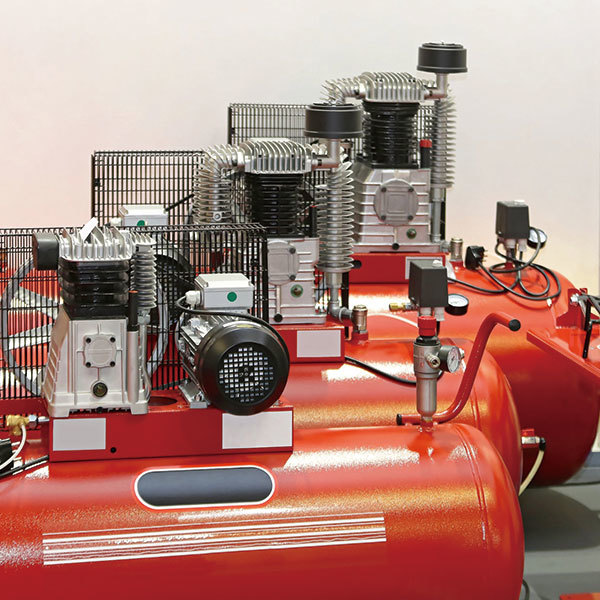
Air compressors used in automotive brake systems are typically categorized into two types: reciprocating and rotary screw compressors. Reciprocating compressors work by utilizing a piston to compress the air, while rotary screw compressors employ helical screws for the same purpose. Both types possess distinct advantages, such as durability, efficiency, and adaptability, depending on the specific requirements of the brake system.
Importance of Air Compressor Maintenance:
Ensuring the proper maintenance of air compressors is crucial to guaranteeing the brake system's optimal performance and, consequently, vehicle safety. Regular inspection and maintenance of the compressor, including checking for air leaks, monitoring oil levels, and cleaning or replacing filters, are essential to prevent potential malfunctions and maintain the desired air pressure within the system.
Conclusion:
In the intricate world of automotive brake systems, air compressors assume a vital role in ensuring safe and reliable vehicle operations. These devices effectively compress air, allowing brake systems to exert the necessary force to decelerate or stop the vehicle. Understanding the importance of air compressor maintenance and selecting the appropriate type for specific braking requirements are key factors in maintaining optimal performance and safety on the roads.
In the realm of automotive and parts manufacturing, the braking system plays a pivotal role in ensuring both driver and passenger safety. A vital component within this system is the air compressor. This article delves into the world of air compressors, exploring their importance in automotive brake systems and shedding light on their significance in maintaining vehicular safety and performance.
Understanding Air Compressors:
An air compressor, as the name suggests, is a device that compresses air to higher pressures, making it an invaluable tool in various applications, including automotive brake systems. Air compressors are commonly used in vehicles equipped with air brakes, which rely on compressed air to exert the necessary force for the braking mechanism to function effectively.
Functionality in Brake Systems:
Air compressors in automotive brake systems are responsible for pressurizing air and storing it in tanks or reservoirs. This pressurized air is then utilized to actuate the braking system when the driver engages the brake pedal. Upon application, the compressed air is released to the brake chambers, causing the brake shoes or pads to engage with the brake drums or rotors, ultimately leading to vehicle deceleration or stopping.
Types of Air Compressors:
Air compressors used in automotive brake systems are typically categorized into two types: reciprocating and rotary screw compressors. Reciprocating compressors work by utilizing a piston to compress the air, while rotary screw compressors employ helical screws for the same purpose. Both types possess distinct advantages, such as durability, efficiency, and adaptability, depending on the specific requirements of the brake system.
Importance of Air Compressor Maintenance:
Ensuring the proper maintenance of air compressors is crucial to guaranteeing the brake system's optimal performance and, consequently, vehicle safety. Regular inspection and maintenance of the compressor, including checking for air leaks, monitoring oil levels, and cleaning or replacing filters, are essential to prevent potential malfunctions and maintain the desired air pressure within the system.
Conclusion:
In the intricate world of automotive brake systems, air compressors assume a vital role in ensuring safe and reliable vehicle operations. These devices effectively compress air, allowing brake systems to exert the necessary force to decelerate or stop the vehicle. Understanding the importance of air compressor maintenance and selecting the appropriate type for specific braking requirements are key factors in maintaining optimal performance and safety on the roads.