

Blog
The Ultimate Braking Companion: Air Compressors Demystified
2023-09-25
Table of Contents:
1. Introduction
2. Understanding Air Compressors: How Do They Work?
3. Types of Air Compressors
3.1 Reciprocating Air Compressors
3.2 Rotary Screw Air Compressors
3.3 Centrifugal Air Compressors
4. Benefits of Using Air Compressors in Braking Systems
4.1 Improved Braking Performance
4.2 Enhanced Safety
4.3 Increased Efficiency
5. Factors to Consider When Choosing an Air Compressor for Braking Systems
5.1 Pressure Requirements
5.2 Tank Size
5.3 CFM (Cubic Feet per Minute)
5.4 Power Source
5.5 Noise Level
5.6 Portability and Size
6. Frequently Asked Questions (FAQs)
6.1 What is the purpose of an air compressor in a braking system?
6.2 Can I use any air compressor for my vehicle's braking system?
6.3 How often should I maintain my air compressor?
6.4 Are there any safety precautions I should take when using an air compressor?
6.5 Can I install an air compressor myself?
7. Conclusion
Welcome to the ultimate guide on air compressors and their role as the ultimate braking companion. In this article, we will delve into the workings of air compressors, explore the various types available, uncover the benefits they offer in braking systems, and provide you with essential factors to consider when choosing the perfect air compressor for your vehicle.
Air compressors are mechanical devices that convert power into potential energy stored in compressed air. They work by drawing in atmospheric air and compressing it to a higher pressure, storing it in a tank or reservoir. This compressed air can then be used for various applications, including braking systems.
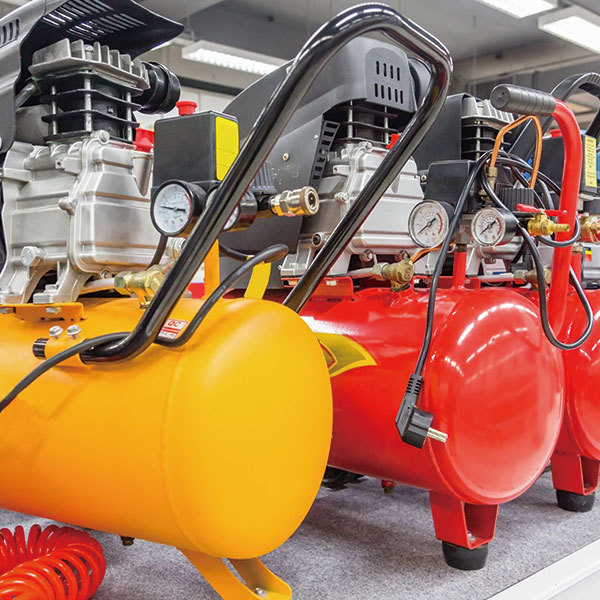
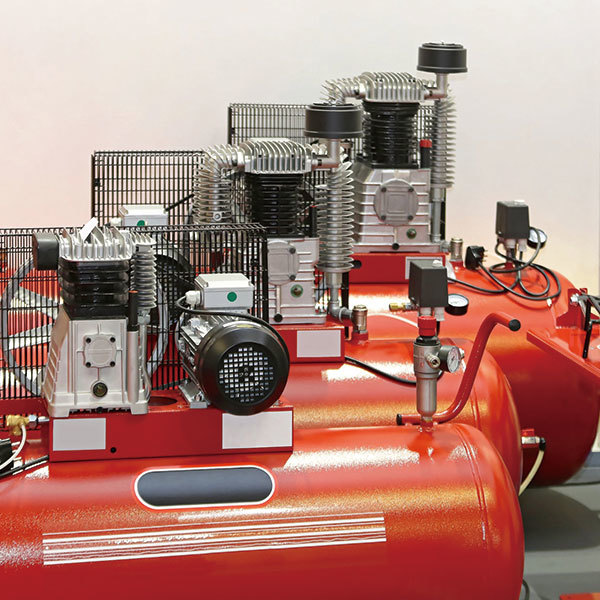
Reciprocating air compressors, also known as piston compressors, use a piston-driven mechanism to compress air. They are widely used in automotive applications and offer a cost-effective solution for braking systems.
Rotary screw air compressors utilize two interlocking helical rotors to compress air. They are known for their continuous operation and are commonly used in industrial settings. While not as common in automotive braking systems, they can still be a viable option for specific requirements.
Centrifugal air compressors operate by accelerating the air using a rotating impeller. They are often found in high-volume applications where large quantities of compressed air are needed. However, they are less common in vehicle braking systems.
Integrating an air compressor into your braking system can significantly enhance its performance. Air compressors provide a consistent and reliable source of compressed air, ensuring optimal braking force and responsiveness. This leads to improved stopping distances and overall safety on the road.
By utilizing an air compressor, your braking system becomes less dependent on mechanical components, reducing the risk of failure or malfunction. Air compressors offer a fail-safe solution for braking, ensuring reliable performance even in extreme conditions.
Air compressors allow for better control of the braking force, resulting in more efficient energy utilization. This helps to extend the lifespan of braking components, reducing maintenance and replacement costs in the long run.
One crucial factor to consider is the required pressure for your braking system. Different vehicles may have varying pressure needs, so it's essential to choose an air compressor capable of meeting those requirements effectively.
The tank size determines the amount of compressed air available for your braking system. Consider the size of your vehicle and the expected usage to ensure you have an adequate supply of compressed air.
CFM measures the airflow capacity of an air compressor. It determines how quickly the air compressor can provide a sufficient amount of compressed air for your braking needs. Ensure that the CFM rating aligns with your vehicle's requirements.
Determine the power source that best suits your needs. Air compressors can be powered by electricity, gasoline, or diesel. Consider factors such as availability, convenience, and portability when making your decision.
Some air compressors can be noisy during operation. If noise is a concern for you, look for models with lower noise ratings to ensure a more comfortable driving experience.
Consider the portability and size of the air compressor. Depending on your vehicle's size and available space, choose a compact and lightweight option that fits your requirements.
An air compressor provides a continuous supply of compressed air to the braking system, ensuring optimal performance and safety.
No, it's essential to choose an air compressor that meets the pressure and airflow requirements of your specific vehicle's braking system.
Regular maintenance is crucial to ensure the longevity and efficiency of your air compressor. Follow the manufacturer's recommendations for maintenance intervals.
Yes, always adhere to safety guidelines provided by the manufacturer. This may include wearing appropriate protective gear and operating the air compressor in a well-ventilated area.
Installation requirements may vary depending on your vehicle and the specific air compressor model. It is recommended to consult a professional or follow the manufacturer's instructions for proper installation.
In conclusion, air compressors serve as the ultimate braking companion, providing improved performance, enhanced safety, and increased efficiency in braking systems. By understanding the different types of air compressors, considering key factors, and following proper installation and maintenance practices, you can harness the power of air compressors to optimize your vehicle's braking capabilities. Choose wisely and enjoy the benefits of a reliable and efficient braking system.
1. Introduction
2. Understanding Air Compressors: How Do They Work?
3. Types of Air Compressors
3.1 Reciprocating Air Compressors
3.2 Rotary Screw Air Compressors
3.3 Centrifugal Air Compressors
4. Benefits of Using Air Compressors in Braking Systems
4.1 Improved Braking Performance
4.2 Enhanced Safety
4.3 Increased Efficiency
5. Factors to Consider When Choosing an Air Compressor for Braking Systems
5.1 Pressure Requirements
5.2 Tank Size
5.3 CFM (Cubic Feet per Minute)
5.4 Power Source
5.5 Noise Level
5.6 Portability and Size
6. Frequently Asked Questions (FAQs)
6.1 What is the purpose of an air compressor in a braking system?
6.2 Can I use any air compressor for my vehicle's braking system?
6.3 How often should I maintain my air compressor?
6.4 Are there any safety precautions I should take when using an air compressor?
6.5 Can I install an air compressor myself?
7. Conclusion
1. Introduction
Welcome to the ultimate guide on air compressors and their role as the ultimate braking companion. In this article, we will delve into the workings of air compressors, explore the various types available, uncover the benefits they offer in braking systems, and provide you with essential factors to consider when choosing the perfect air compressor for your vehicle.
2. Understanding Air Compressors: How Do They Work?
Air compressors are mechanical devices that convert power into potential energy stored in compressed air. They work by drawing in atmospheric air and compressing it to a higher pressure, storing it in a tank or reservoir. This compressed air can then be used for various applications, including braking systems.
3. Types of Air Compressors
3.1 Reciprocating Air Compressors
Reciprocating air compressors, also known as piston compressors, use a piston-driven mechanism to compress air. They are widely used in automotive applications and offer a cost-effective solution for braking systems.
3.2 Rotary Screw Air Compressors
Rotary screw air compressors utilize two interlocking helical rotors to compress air. They are known for their continuous operation and are commonly used in industrial settings. While not as common in automotive braking systems, they can still be a viable option for specific requirements.
3.3 Centrifugal Air Compressors
Centrifugal air compressors operate by accelerating the air using a rotating impeller. They are often found in high-volume applications where large quantities of compressed air are needed. However, they are less common in vehicle braking systems.
4. Benefits of Using Air Compressors in Braking Systems
4.1 Improved Braking Performance
Integrating an air compressor into your braking system can significantly enhance its performance. Air compressors provide a consistent and reliable source of compressed air, ensuring optimal braking force and responsiveness. This leads to improved stopping distances and overall safety on the road.
4.2 Enhanced Safety
By utilizing an air compressor, your braking system becomes less dependent on mechanical components, reducing the risk of failure or malfunction. Air compressors offer a fail-safe solution for braking, ensuring reliable performance even in extreme conditions.
4.3 Increased Efficiency
Air compressors allow for better control of the braking force, resulting in more efficient energy utilization. This helps to extend the lifespan of braking components, reducing maintenance and replacement costs in the long run.
5. Factors to Consider When Choosing an Air Compressor for Braking Systems
5.1 Pressure Requirements
One crucial factor to consider is the required pressure for your braking system. Different vehicles may have varying pressure needs, so it's essential to choose an air compressor capable of meeting those requirements effectively.
5.2 Tank Size
The tank size determines the amount of compressed air available for your braking system. Consider the size of your vehicle and the expected usage to ensure you have an adequate supply of compressed air.
5.3 CFM (Cubic Feet per Minute)
CFM measures the airflow capacity of an air compressor. It determines how quickly the air compressor can provide a sufficient amount of compressed air for your braking needs. Ensure that the CFM rating aligns with your vehicle's requirements.
5.4 Power Source
Determine the power source that best suits your needs. Air compressors can be powered by electricity, gasoline, or diesel. Consider factors such as availability, convenience, and portability when making your decision.
5.5 Noise Level
Some air compressors can be noisy during operation. If noise is a concern for you, look for models with lower noise ratings to ensure a more comfortable driving experience.
5.6 Portability and Size
Consider the portability and size of the air compressor. Depending on your vehicle's size and available space, choose a compact and lightweight option that fits your requirements.
6. Frequently Asked Questions (FAQs)
6.1 What is the purpose of an air compressor in a braking system?
An air compressor provides a continuous supply of compressed air to the braking system, ensuring optimal performance and safety.
6.2 Can I use any air compressor for my vehicle's braking system?
No, it's essential to choose an air compressor that meets the pressure and airflow requirements of your specific vehicle's braking system.
6.3 How often should I maintain my air compressor?
Regular maintenance is crucial to ensure the longevity and efficiency of your air compressor. Follow the manufacturer's recommendations for maintenance intervals.
6.4 Are there any safety precautions I should take when using an air compressor?
Yes, always adhere to safety guidelines provided by the manufacturer. This may include wearing appropriate protective gear and operating the air compressor in a well-ventilated area.
6.5 Can I install an air compressor myself?
Installation requirements may vary depending on your vehicle and the specific air compressor model. It is recommended to consult a professional or follow the manufacturer's instructions for proper installation.
7. Conclusion
In conclusion, air compressors serve as the ultimate braking companion, providing improved performance, enhanced safety, and increased efficiency in braking systems. By understanding the different types of air compressors, considering key factors, and following proper installation and maintenance practices, you can harness the power of air compressors to optimize your vehicle's braking capabilities. Choose wisely and enjoy the benefits of a reliable and efficient braking system.