
Blog
Direct Air Compressor: A Key Component of Automotive Brake Systems
2023-09-28
Title: The Importance of Direct Air Compressors in Automotive Brake Systems
Introduction: Discover the Key Component Ensuring Safe and Efficient Braking Performance
Direct air compressors play a vital role in the automotive industry, specifically in the realm of brake systems. As an essential part of the brake system, these devices contribute to the overall safety and efficiency of vehicles on the road. In this article, we will delve into the function, types, and maintenance tips associated with direct air compressors, ensuring you have a comprehensive understanding of their significance.
Function of Direct Air Compressors
Direct air compressors are responsible for generating compressed air, which powers various pneumatic components within the brake system. These components include air reservoirs, valves, and actuators. By converting mechanical energy into compressed air, direct air compressors facilitate the controlled application of brakes, allowing vehicles to come to a smooth and timely halt.
Types of Direct Air Compressors
There are two primary types of direct air compressors commonly used in automotive brake systems: reciprocating compressors and rotary compressors.
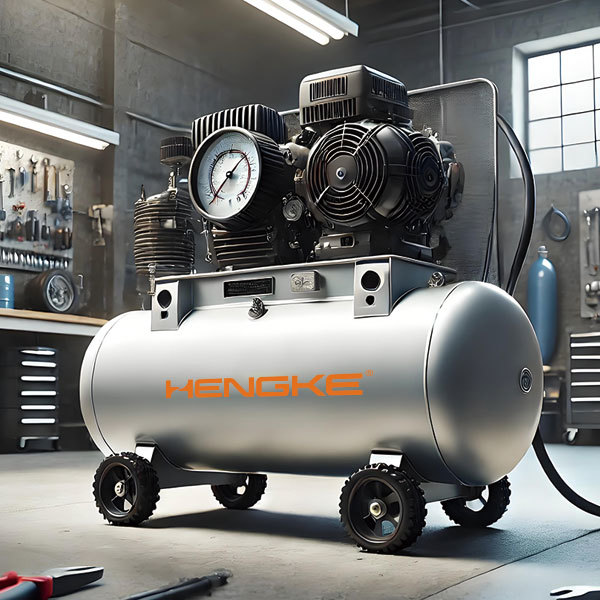
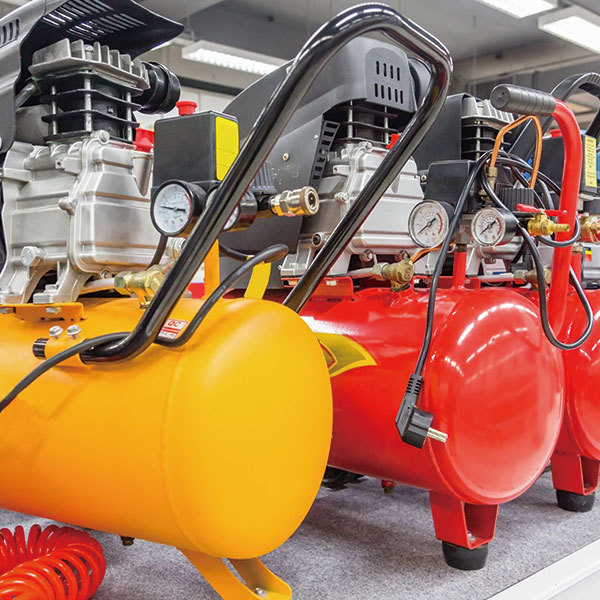
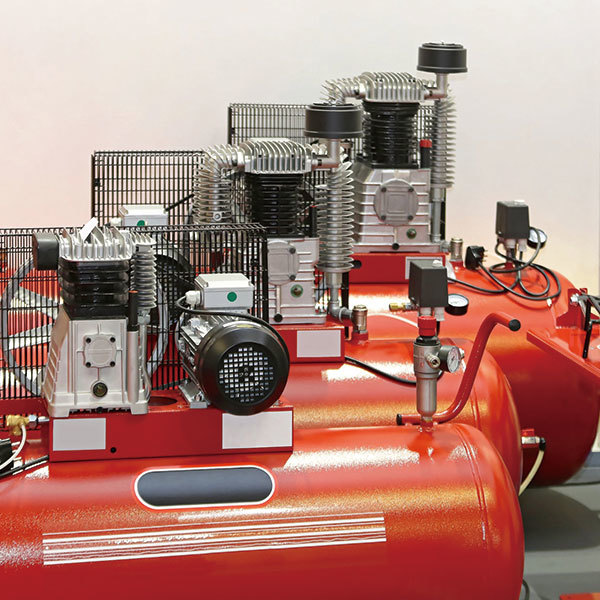
1. Reciprocating Compressors: These compressors work on the principle of reciprocating motion. They utilize a piston and a cylinder to compress the air. Reciprocating compressors are known for their compact size, affordability, and ability to deliver high-pressure air.
2. Rotary Compressors: Unlike reciprocating compressors, rotary compressors use rotating mechanisms to compress air. They include scroll, vane, and screw compressors. Rotary compressors are favored for their smooth operation, reduced noise levels, and suitability for continuous use.
Maintenance Tips for Optimal Performance
To ensure the longevity and optimal performance of direct air compressors, regular maintenance is essential. Consider the following tips:
1. Check for Air Leaks: Regularly inspect the compressor and associated fittings for any signs of air leakage. Addressing leaks promptly helps maintain consistent air pressure and ensures efficient brake operation.
2. Monitor Air Filter: Clean or replace the air filter as recommended by the manufacturer to prevent dust and debris from clogging the system. A clean filter allows the compressor to operate smoothly and improves overall performance.
3. Verify Oil Levels: For compressors that require lubrication, regularly check the oil levels. Adequate lubrication reduces friction, extends the compressor's lifespan, and enhances efficiency.
4. Maintain Cooling System: Ensure the cooling system, such as cooling fans or heat exchangers, is clean and functioning correctly. Overheating can negatively impact compressor performance.
Conclusion
Direct air compressors are an integral part of automotive brake systems, enabling safe and efficient braking performance. By understanding their function, exploring different types, and implementing proper maintenance practices, you can ensure the longevity and reliability of these essential components. Remember to prioritize regular inspection, cleaning, and prompt repairs to maximize the performance of your direct air compressor and overall brake system efficiency.
Introduction: Discover the Key Component Ensuring Safe and Efficient Braking Performance
Direct air compressors play a vital role in the automotive industry, specifically in the realm of brake systems. As an essential part of the brake system, these devices contribute to the overall safety and efficiency of vehicles on the road. In this article, we will delve into the function, types, and maintenance tips associated with direct air compressors, ensuring you have a comprehensive understanding of their significance.
Function of Direct Air Compressors
Direct air compressors are responsible for generating compressed air, which powers various pneumatic components within the brake system. These components include air reservoirs, valves, and actuators. By converting mechanical energy into compressed air, direct air compressors facilitate the controlled application of brakes, allowing vehicles to come to a smooth and timely halt.
Types of Direct Air Compressors
There are two primary types of direct air compressors commonly used in automotive brake systems: reciprocating compressors and rotary compressors.
1. Reciprocating Compressors: These compressors work on the principle of reciprocating motion. They utilize a piston and a cylinder to compress the air. Reciprocating compressors are known for their compact size, affordability, and ability to deliver high-pressure air.
2. Rotary Compressors: Unlike reciprocating compressors, rotary compressors use rotating mechanisms to compress air. They include scroll, vane, and screw compressors. Rotary compressors are favored for their smooth operation, reduced noise levels, and suitability for continuous use.
Maintenance Tips for Optimal Performance
To ensure the longevity and optimal performance of direct air compressors, regular maintenance is essential. Consider the following tips:
1. Check for Air Leaks: Regularly inspect the compressor and associated fittings for any signs of air leakage. Addressing leaks promptly helps maintain consistent air pressure and ensures efficient brake operation.
2. Monitor Air Filter: Clean or replace the air filter as recommended by the manufacturer to prevent dust and debris from clogging the system. A clean filter allows the compressor to operate smoothly and improves overall performance.
3. Verify Oil Levels: For compressors that require lubrication, regularly check the oil levels. Adequate lubrication reduces friction, extends the compressor's lifespan, and enhances efficiency.
4. Maintain Cooling System: Ensure the cooling system, such as cooling fans or heat exchangers, is clean and functioning correctly. Overheating can negatively impact compressor performance.
Conclusion
Direct air compressors are an integral part of automotive brake systems, enabling safe and efficient braking performance. By understanding their function, exploring different types, and implementing proper maintenance practices, you can ensure the longevity and reliability of these essential components. Remember to prioritize regular inspection, cleaning, and prompt repairs to maximize the performance of your direct air compressor and overall brake system efficiency.