
Blog
How Belt Air Compressors Improve Braking Performance: Enhancing Safety and Efficiency
2023-10-05
Table of Contents
1. Introduction: Understanding the Importance of Braking Performance
2. What are Belt Air Compressors?
3. The Role of Belt Air Compressors in Braking Systems
4. Benefits of Belt Air Compressors for Braking Performance
4.1 Improved Response Time
4.2 Enhanced Safety
4.3 Increased Braking Efficiency
4.4 Reduced Wear and Tear
5. Frequently Asked Questions About Belt Air Compressors
5.1 How do belt air compressors work?
5.2 Are belt air compressors suitable for all vehicles?
5.3 Can belt air compressors be retrofitted into older vehicles?
5.4 Do belt air compressors require regular maintenance?
5.5 Can belt air compressors improve braking performance in extreme weather conditions?
6. Conclusion
1. Introduction: Understanding the Importance of Braking Performance
Braking performance is a critical aspect of vehicle safety. Efficient and reliable braking systems are essential to ensure the safety of both drivers and passengers on the road. In this article, we will explore the role of belt air compressors in enhancing braking performance and improving overall safety.
2. What are Belt Air Compressors?
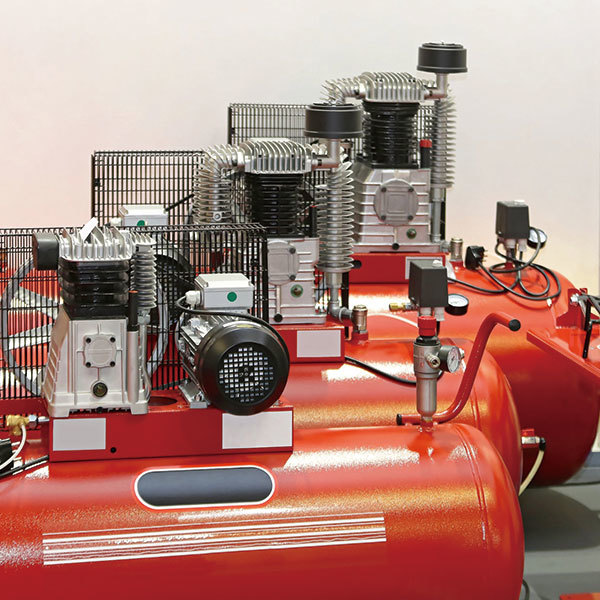
Belt air compressors are devices that supply compressed air to the braking system of a vehicle. They are typically powered by the engine and play a crucial role in converting mechanical energy into the necessary pneumatic pressure for effective braking.
3. The Role of Belt Air Compressors in Braking Systems
Belt air compressors are an integral part of modern braking systems. They are responsible for pressurizing the air reservoirs, which in turn supply the required air pressure to the brake chambers. This compressed air creates the force needed to engage the brake pads or shoes, allowing the vehicle to slow down or come to a complete stop.
4. Benefits of Belt Air Compressors for Braking Performance
4.1 Improved Response Time
One of the key advantages of belt air compressors is their ability to provide quick and responsive braking. By supplying compressed air at a high pressure, belt air compressors enable the brake system to engage rapidly, reducing the time it takes for the vehicle to come to a halt. This quick response time enhances overall safety by minimizing the risk of accidents.
4.2 Enhanced Safety
Belt air compressors contribute significantly to the safety of a vehicle’s braking system. They ensure a consistent and reliable air supply, which is crucial for optimal brake performance. With a reliable air source, drivers can have confidence in their vehicle's ability to stop efficiently, even in emergency situations.
4.3 Increased Braking Efficiency
By providing the necessary pneumatic pressure, belt air compressors enhance the overall efficiency of the braking system. The compressed air allows for smooth and controlled braking, reducing the risk of wheel lock-up and skidding. This improved efficiency not only enhances safety but also extends the lifespan of the braking components.
4.4 Reduced Wear and Tear
Belt air compressors play a vital role in reducing the wear and tear of braking system components. By providing consistent air pressure, they help distribute the braking force evenly, preventing excessive strain on individual components. This reduces the risk of premature wear, prolonging the lifespan of the braking system and minimizing maintenance costs.
5. Frequently Asked Questions About Belt Air Compressors
5.1 How do belt air compressors work?
Belt air compressors are typically belt-driven by the engine. As the engine rotates, it drives the compressor, which compresses the air and delivers it to the brake system through the air reservoirs.
5.2 Are belt air compressors suitable for all vehicles?
Belt air compressors are primarily used in larger commercial vehicles such as trucks and buses. However, they can also be found in some high-performance passenger cars.
5.3 Can belt air compressors be retrofitted into older vehicles?
Yes, belt air compressors can be retrofitted into older vehicles, provided there is sufficient space and compatibility with the existing braking system.
5.4 Do belt air compressors require regular maintenance?
Like any other mechanical component, belt air compressors require regular maintenance to ensure optimal performance. This includes checking for leaks, monitoring air pressure, and replacing worn-out parts as needed.
5.5 Can belt air compressors improve braking performance in extreme weather conditions?
Yes, belt air compressors are designed to perform reliably in various weather conditions. They provide consistent air pressure, allowing for effective braking even in extreme cold or hot temperatures.
6. Conclusion
In conclusion, belt air compressors play a crucial role in improving braking performance and enhancing overall safety. With their ability to provide quick response times, consistent air supply, increased efficiency, and reduced wear and tear, belt air compressors contribute significantly to the reliability and effectiveness of braking systems. By understanding the benefits they offer, vehicle owners can make informed decisions about incorporating belt air compressors into their vehicles to ensure optimal braking performance and safety on the road.
1. Introduction: Understanding the Importance of Braking Performance
2. What are Belt Air Compressors?
3. The Role of Belt Air Compressors in Braking Systems
4. Benefits of Belt Air Compressors for Braking Performance
4.1 Improved Response Time
4.2 Enhanced Safety
4.3 Increased Braking Efficiency
4.4 Reduced Wear and Tear
5. Frequently Asked Questions About Belt Air Compressors
5.1 How do belt air compressors work?
5.2 Are belt air compressors suitable for all vehicles?
5.3 Can belt air compressors be retrofitted into older vehicles?
5.4 Do belt air compressors require regular maintenance?
5.5 Can belt air compressors improve braking performance in extreme weather conditions?
6. Conclusion
1. Introduction: Understanding the Importance of Braking Performance
Braking performance is a critical aspect of vehicle safety. Efficient and reliable braking systems are essential to ensure the safety of both drivers and passengers on the road. In this article, we will explore the role of belt air compressors in enhancing braking performance and improving overall safety.
2. What are Belt Air Compressors?
Belt air compressors are devices that supply compressed air to the braking system of a vehicle. They are typically powered by the engine and play a crucial role in converting mechanical energy into the necessary pneumatic pressure for effective braking.
3. The Role of Belt Air Compressors in Braking Systems
Belt air compressors are an integral part of modern braking systems. They are responsible for pressurizing the air reservoirs, which in turn supply the required air pressure to the brake chambers. This compressed air creates the force needed to engage the brake pads or shoes, allowing the vehicle to slow down or come to a complete stop.
4. Benefits of Belt Air Compressors for Braking Performance
4.1 Improved Response Time
One of the key advantages of belt air compressors is their ability to provide quick and responsive braking. By supplying compressed air at a high pressure, belt air compressors enable the brake system to engage rapidly, reducing the time it takes for the vehicle to come to a halt. This quick response time enhances overall safety by minimizing the risk of accidents.
4.2 Enhanced Safety
Belt air compressors contribute significantly to the safety of a vehicle’s braking system. They ensure a consistent and reliable air supply, which is crucial for optimal brake performance. With a reliable air source, drivers can have confidence in their vehicle's ability to stop efficiently, even in emergency situations.
4.3 Increased Braking Efficiency
By providing the necessary pneumatic pressure, belt air compressors enhance the overall efficiency of the braking system. The compressed air allows for smooth and controlled braking, reducing the risk of wheel lock-up and skidding. This improved efficiency not only enhances safety but also extends the lifespan of the braking components.
4.4 Reduced Wear and Tear
Belt air compressors play a vital role in reducing the wear and tear of braking system components. By providing consistent air pressure, they help distribute the braking force evenly, preventing excessive strain on individual components. This reduces the risk of premature wear, prolonging the lifespan of the braking system and minimizing maintenance costs.
5. Frequently Asked Questions About Belt Air Compressors
5.1 How do belt air compressors work?
Belt air compressors are typically belt-driven by the engine. As the engine rotates, it drives the compressor, which compresses the air and delivers it to the brake system through the air reservoirs.
5.2 Are belt air compressors suitable for all vehicles?
Belt air compressors are primarily used in larger commercial vehicles such as trucks and buses. However, they can also be found in some high-performance passenger cars.
5.3 Can belt air compressors be retrofitted into older vehicles?
Yes, belt air compressors can be retrofitted into older vehicles, provided there is sufficient space and compatibility with the existing braking system.
5.4 Do belt air compressors require regular maintenance?
Like any other mechanical component, belt air compressors require regular maintenance to ensure optimal performance. This includes checking for leaks, monitoring air pressure, and replacing worn-out parts as needed.
5.5 Can belt air compressors improve braking performance in extreme weather conditions?
Yes, belt air compressors are designed to perform reliably in various weather conditions. They provide consistent air pressure, allowing for effective braking even in extreme cold or hot temperatures.
6. Conclusion
In conclusion, belt air compressors play a crucial role in improving braking performance and enhancing overall safety. With their ability to provide quick response times, consistent air supply, increased efficiency, and reduced wear and tear, belt air compressors contribute significantly to the reliability and effectiveness of braking systems. By understanding the benefits they offer, vehicle owners can make informed decisions about incorporating belt air compressors into their vehicles to ensure optimal braking performance and safety on the road.