

Blog
Discover the Top Benefits of Gasoline Engine Air Compressors for Automotive Applications
2026-11-12
Top Benefits of Using a Gasoline Engine Air Compressor for Your Automotive Needs
Table of Contents
1. Introduction to Gasoline Engine Air Compressors
2. Key Features of Gasoline Engine Air Compressors
2.1 Portability and Convenience
2.2 Power and Performance
2.3 Versatility in Applications
3. Advantages of Using Gasoline Engine Air Compressors
3.1 Increased Efficiency for Automotive Tasks
3.2 Cost-Effectiveness Compared to Electric Models
3.3 Ideal for Remote Locations and Job Sites
4. Maintenance Tips for Gasoline Engine Air Compressors
5. Safety Considerations When Using Air Compressors
6. Common Applications in Automotive Work
7. Frequently Asked Questions (FAQs)
8. Conclusion
1. Introduction to Gasoline Engine Air Compressors
Gasoline engine air compressors are powerful tools that deliver compressed air for various applications, particularly in the automotive industry. They are designed to be robust, portable, and efficient, making them an ideal choice for both professional mechanics and DIY enthusiasts. Understanding the benefits and functionalities of these compressors can significantly enhance your automotive maintenance experience.
2. Key Features of Gasoline Engine Air Compressors
Gasoline engine air compressors boast several key features that set them apart from their electric counterparts. Let’s explore these features in detail.
2.1 Portability and Convenience
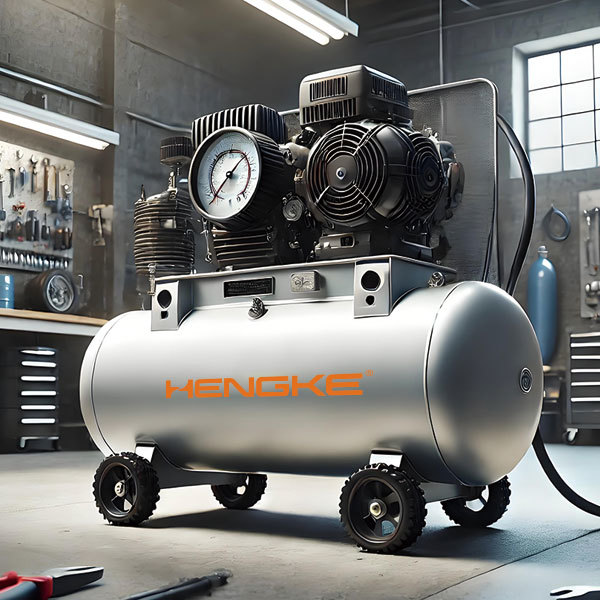
One of the standout features of gasoline engine air compressors is their portability. Many models are equipped with wheels and handles, allowing users to transport them effortlessly from one location to another. This feature is particularly beneficial for automotive professionals who work on-site or in various locations.
2.2 Power and Performance
Gasoline engines typically provide more power than electric models, enabling these air compressors to deliver higher PSI (pounds per square inch) levels. This increased power translates to faster filling times and the ability to operate more demanding tools, such as impact wrenches and nail guns.
2.3 Versatility in Applications
Gasoline engine air compressors are not limited to automotive use; their versatility allows them to serve multiple functions. From inflating tires to powering pneumatic tools, these compressors can handle a broad range of tasks, making them essential for various projects.
3. Advantages of Using Gasoline Engine Air Compressors
Utilizing a gasoline engine air compressor for your automotive needs offers numerous advantages that can enhance efficiency and productivity.
3.1 Increased Efficiency for Automotive Tasks
Time is money, especially in the automotive industry. Gasoline engine air compressors can significantly speed up various tasks, such as tire inflation or painting, due to their higher output compared to electric models. This increased efficiency can lead to quicker turnaround times for repairs and maintenance.
3.2 Cost-Effectiveness Compared to Electric Models
Although the initial investment for a gasoline engine air compressor may be higher, they often prove to be more cost-effective in the long run. Gasoline compressors do not require electricity to operate, making them ideal for remote locations or job sites without power sources. Additionally, their durability can lead to lower maintenance costs over time.
3.3 Ideal for Remote Locations and Job Sites
For professionals who frequently work in remote areas or job sites lacking electrical power, gasoline engine air compressors are invaluable. Their independence from electricity allows users to work efficiently in any environment, ensuring that essential tasks can be completed without interruption.
4. Maintenance Tips for Gasoline Engine Air Compressors
To ensure optimal performance and longevity of your gasoline engine air compressor, consider the following maintenance tips:
- **Regular Oil Changes**: Just like any gasoline engine, regular oil changes are crucial for maintaining engine performance.
- **Air Filter Cleaning**: Keep the air filter clean to prevent debris from entering the engine and affecting performance.
- **Check Fuel Levels**: Regularly check fuel levels and use fresh gasoline to ensure reliable operation.
- **Inspect Hoses and Connections**: Regularly inspect hoses and connections for leaks or wear, as this can affect efficiency and safety.
5. Safety Considerations When Using Air Compressors
Safety should always be a priority when operating gasoline engine air compressors. Here are some essential safety tips:
- **Wear Protective Gear**: Always wear safety glasses and ear protection when using air tools powered by compressors.
- **Avoid Overloading**: Ensure that the compressor is not overloaded beyond its capacity, which can cause malfunctions or accidents.
- **Use in Well-Ventilated Areas**: Operate the compressor in well-ventilated spaces to avoid inhaling exhaust fumes from the gasoline engine.
6. Common Applications in Automotive Work
Gasoline engine air compressors serve a wide array of applications in automotive work, including:
- **Tire Inflation**: Quickly inflate tires to the recommended PSI for optimal performance.
- **Pneumatic Tools**: Power various pneumatic tools, such as impact wrenches, for easier repair and maintenance tasks.
- **Car Painting**: Use compressed air for painting vehicles, ensuring an even and professional finish.
- **Cleaning**: Use compressed air to clean hard-to-reach areas in the engine bay or undercarriage.
7. Frequently Asked Questions (FAQs)
**Q1: How do I choose the right gasoline engine air compressor for my needs?**
A1: Consider factors such as PSI requirements, tank size, and portability when selecting a gasoline engine air compressor.
**Q2: Can I use a gasoline engine air compressor indoors?**
A2: It is not recommended to use gasoline engine air compressors indoors due to the risk of carbon monoxide buildup. Always use them in well-ventilated areas.
**Q3: How often should I perform maintenance on my air compressor?**
A3: Regular maintenance, including oil changes and air filter cleaning, should be done every few months based on usage.
**Q4: Are gasoline engine air compressors noisy?**
A4: Yes, gasoline engine air compressors tend to be noisier than electric models due to the engine operation. Ear protection is recommended during use.
**Q5: What is the average lifespan of a gasoline engine air compressor?**
A5: With proper maintenance, a gasoline engine air compressor can last anywhere from 10 to 20 years.
8. Conclusion
In conclusion, gasoline engine air compressors are invaluable tools that offer numerous advantages for automotive needs. Their portability, power, and versatility make them essential for professionals and automotive enthusiasts alike. By understanding their benefits, features, and maintenance requirements, users can maximize the efficiency and effectiveness of their automotive tasks. Investing in a quality gasoline engine air compressor not only enhances productivity but also ensures that you are well-equipped for any automotive challenge that comes your way.