
Blog
How to Optimize Your Air Compressor Head for Maximum Efficiency
2026-11-13
How to Optimize Your Air Compressor Head for Maximum Efficiency
Air compressors play a crucial role in various industries, providing power for pneumatic tools, machinery, and even HVAC systems. Optimizing the air compressor head is essential for achieving maximum efficiency, ensuring that your system operates smoothly while minimizing costs. In this article, we will explore in-depth strategies and techniques to help you enhance the performance of your air compressor head, maximize energy efficiency, and prolong its lifespan.
Table of Contents
- Understanding Air Compressor Heads
- The Importance of Efficiency in Air Compressors
- Key Factors Affecting Air Compressor Efficiency
- Tips for Optimizing Your Air Compressor Head
- Regular Maintenance Practices
- Correct Sizing and Selection of Components
- Monitoring Performance Metrics
- Advanced Techniques for Enhanced Efficiency
- Common Mistakes to Avoid When Optimizing
- Frequently Asked Questions
- Conclusion
Understanding Air Compressor Heads
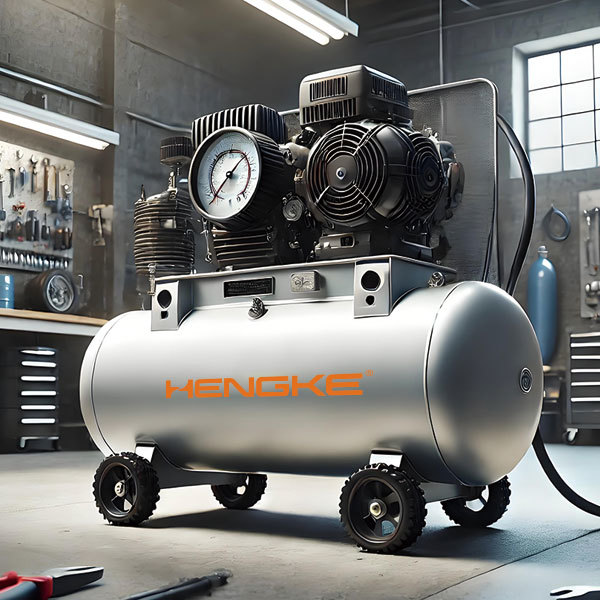
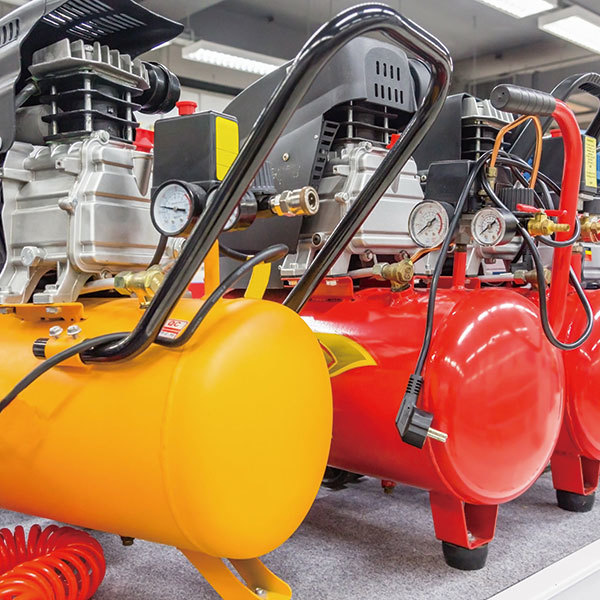
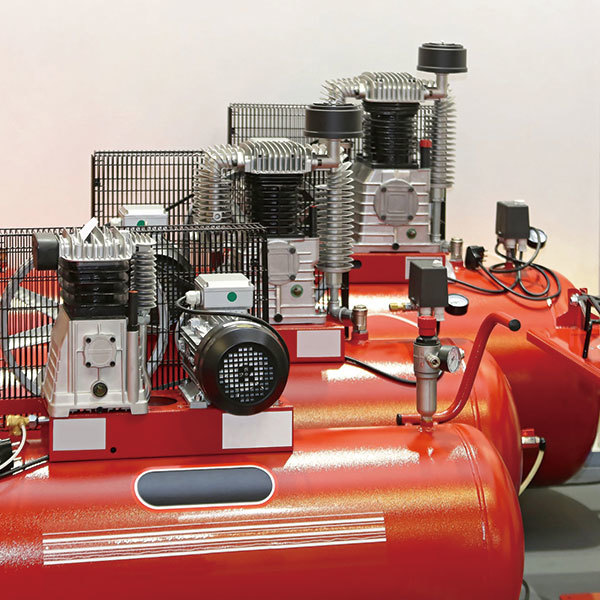
The air compressor head is a fundamental component of any air compressor system, responsible for compressing air and delivering it under pressure. It consists of several key elements, including the cylinder, piston, valves, and cooling mechanisms. Understanding the function and structure of the air compressor head is vital for optimizing its performance.
The cylinder houses the piston, which moves up and down to compress the air. The valves control the intake and exhaust of air, ensuring that the system operates efficiently. Effective cooling mechanisms are also crucial, as excessive heat can lead to reduced efficiency and increased wear on components.
The Importance of Efficiency in Air Compressors
Efficiency in air compressors directly impacts operational costs, productivity, and the overall lifespan of the equipment. An inefficient air compressor consumes more energy, leading to higher electricity bills and increased wear on components. By optimizing the air compressor head, businesses can achieve significant savings and improved performance.
Moreover, a well-optimized air compressor enhances the quality of the compressed air, resulting in better operation of pneumatic tools and machinery. This, in turn, contributes to improved productivity and reduced downtime, making efficiency optimization a top priority for any organization relying on compressed air systems.
Key Factors Affecting Air Compressor Efficiency
Several factors influence the efficiency of an air compressor head. Understanding these can help in formulating effective optimization strategies:
- Temperature: High temperatures can lead to increased internal friction and energy consumption. Proper cooling mechanisms must be in place.
- Airtight Seals: Leaks in the system can substantially decrease efficiency. Regular inspections for wear and tear are essential.
- Proper Lubrication: Insufficient lubrication can cause increased friction and wear on moving parts. Ensure that lubrication is maintained appropriately.
- Component Quality: Using high-quality components can significantly impact efficiency. Upgrading worn parts may be necessary.
Tips for Optimizing Your Air Compressor Head
Implementing practical strategies can significantly enhance the efficiency of your air compressor head. Below, we delve into effective optimization tips.
Regular Maintenance Practices
Regular maintenance is non-negotiable for optimizing any air compressor system. Scheduled inspections and routine maintenance tasks can help identify potential issues before they escalate. Key maintenance practices include:
- Checking and replacing air filters regularly to ensure optimal airflow.
- Monitoring and changing oil as per the manufacturer’s recommendations to maintain proper lubrication.
- Inspecting belts and hoses for wear and replacing them as necessary.
- Cleaning the compressor regularly to prevent dust and debris build-up, which can hinder performance.
Correct Sizing and Selection of Components
Optimizing air compressor efficiency begins with selecting the right size and type of compressor for your specific needs. Oversized compressors can lead to short cycling, while undersized units may struggle to meet demand. When selecting components:
- Assess your air requirements accurately to determine the appropriate compressor size.
- Choose high-efficiency components, including motors and valves, to maximize performance.
Monitoring Performance Metrics
Regularly monitoring the performance of your air compressor can provide insight into its efficiency. Key performance metrics to track include:
- Pressure levels: Monitor to ensure they meet your operational requirements.
- Energy consumption: Compare against historical data to identify trends or inefficiencies.
- Operational hours: Track usage to predict maintenance needs and equipment lifespan.
Advanced Techniques for Enhanced Efficiency
For those looking to take optimization a step further, consider implementing advanced techniques that can lead to even greater efficiency gains.
Upgrading Parts and Accessories
Investing in high-quality parts and accessories can significantly improve the efficiency of your air compressor head. Consider the following upgrades:
- High-efficiency valves: These can reduce back pressure and improve airflow.
- Variable speed drives (VSDs): These allow the compressor to adjust its speed based on demand, optimizing energy usage.
- Aftercoolers: These devices cool compressed air before it enters the storage tank, reducing moisture and improving system efficiency.
Using Advanced Technology for Optimization
Technological advancements can play a significant role in optimizing air compressor efficiency. Consider these technologies:
- Smart monitoring systems: These systems provide real-time data on performance metrics, helping to identify inefficiencies instantly.
- Automation: Automating your air compressor system can improve efficiency by optimizing energy consumption and reducing human error.
Common Mistakes to Avoid When Optimizing
While working towards optimization, it’s essential to avoid common pitfalls that can hinder your efforts. Here are a few mistakes to watch out for:
- Neglecting regular maintenance, which can lead to performance degradation.
- Overlooking the importance of quality components, which can compromise efficiency.
- Failing to monitor performance metrics, resulting in missed opportunities for improvement.
Frequently Asked Questions
1. What are the signs that my air compressor needs optimization?
Common signs include excessive energy consumption, unusual noises, reduced airflow, and frequent breakdowns. If you notice any of these issues, it’s time to consider optimization.
2. How often should I perform maintenance on my air compressor?
Maintenance frequency depends on usage, but a general guideline is to perform monthly visual inspections and comprehensive maintenance every six months.
3. Can upgrading components really make a difference in efficiency?
Yes, upgrading to high-quality, efficient components can significantly improve the performance and efficiency of your air compressor head.
4. What is the ideal operating temperature for an air compressor?
The ideal operating temperature varies by model, but generally, it should be kept below 200°F to prevent overheating and maintain efficiency.
5. Are there any specific brands known for efficient air compressor parts?
While many brands offer quality components, reputable manufacturers such as Ingersoll Rand, Atlas Copco, and Quincy are known for their high-efficiency products.
Conclusion
Optimizing your air compressor head for maximum efficiency is a multifaceted process requiring a combination of regular maintenance, component upgrades, and the implementation of technological advancements. By understanding the factors that affect efficiency and taking proactive steps to address them, businesses can reduce operational costs, minimize downtime, and enhance performance. Investing time and resources into optimizing your air compressor not only improves its efficiency but also extends its lifespan, ensuring that your operations run smoothly for years to come.