
Blog
Why Every Construction Site Needs a Reliable Air Compressor: Unlocking Efficiency and Performance
2026-11-17
Why Every Construction Site Needs a Reliable Air Compressor
Table of Contents
- Introduction to Air Compressors on Construction Sites
- The Importance of Air Compressors in Construction
- Types of Air Compressors Used in Construction
- Applications of Air Compressors on Construction Sites
- Benefits of Using a Reliable Air Compressor
- How to Select the Right Air Compressor for Your Project
- Maintenance Tips for Air Compressors
- Safety Considerations When Using Air Compressors
- Conclusion
- Frequently Asked Questions (FAQs)
Introduction to Air Compressors on Construction Sites
Air compressors play a pivotal role in modern construction sites, serving as the heartbeat of various operations. These machines convert power into potential energy stored in compressed air, which can then be used for multiple applications, including powering pneumatic tools, inflating equipment, and enhancing safety measures. In an industry where efficiency and speed are paramount, a reliable air compressor is not just an accessory; it's a necessity.
The Importance of Air Compressors in Construction
The construction industry is characterized by its dynamic environment, where tools and equipment need to operate effectively to meet project deadlines and budget constraints. Air compressors contribute significantly to this operational efficiency. The ability to provide consistent and high-pressure air allows for uninterrupted workflow. Moreover, air compressors help minimize fatigue among workers by reducing the manual effort required for many tasks.
Boosting Productivity
With pneumatic tools powered by air compressors, tasks that would typically take hours can be completed in a fraction of the time. This boost in productivity is crucial for meeting tight deadlines and ensuring project success.
Enhancing Tool Performance
Many construction tools, such as nail guns, drills, and impact wrenches, rely on compressed air to function effectively. A reliable air compressor ensures that these tools perform at their best, leading to higher quality work and reduced rework.
Types of Air Compressors Used in Construction
Understanding the different types of air compressors is essential for selecting the right model for your construction site.
Reciprocating Air Compressors
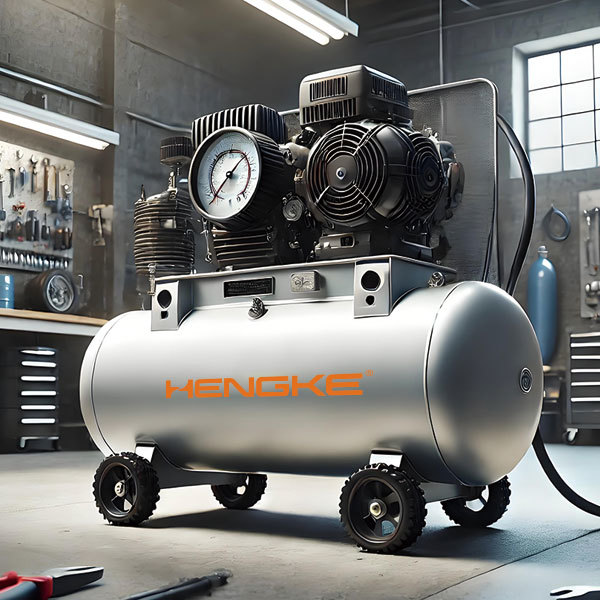
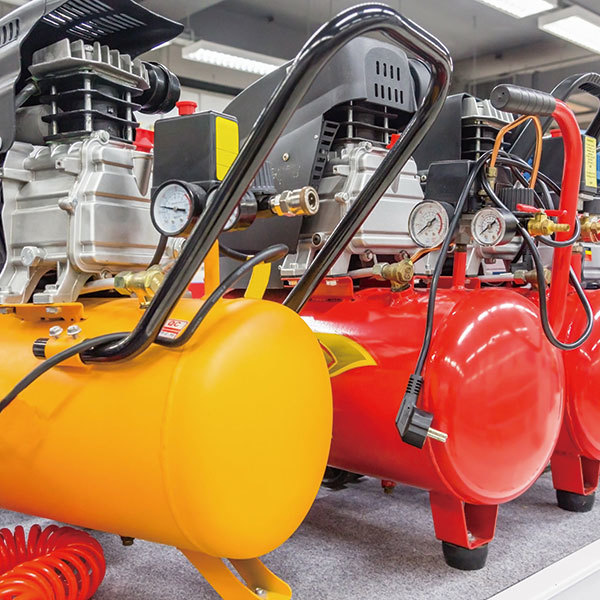
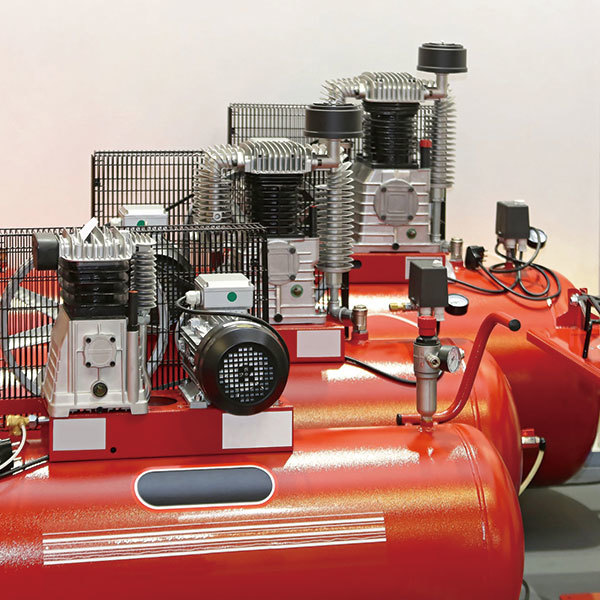
Reciprocating air compressors, also known as piston compressors, are commonly used in construction. They work by drawing in air through a cylinder and compressing it with a piston. These compressors are ideal for smaller projects and tasks that require high pressure but lower air volume.
Rotary Screw Compressors
Rotary screw compressors are designed for continuous operation and are suitable for large construction sites. They utilize two interlocking rotors to compress the air, providing a constant stream of air that is ideal for heavy-duty applications.
Centrifugal Air Compressors
Centrifugal air compressors are typically used for large-scale industrial applications. They operate using a rotating disk which imparts kinetic energy to the air, making them suitable for high-volume air needs. While not as common on construction sites, they can be beneficial for specific tasks requiring substantial airflow.
Applications of Air Compressors on Construction Sites
Air compressors serve a multitude of purposes on construction sites, enhancing various processes.
Pneumatic Tools
Air compressors provide the necessary power for pneumatic tools, such as nail guns, air hammers, and sanders. The availability of these tools significantly speeds up construction tasks.
Inflation Tasks
Inflatable structures like temporary tents and barriers can be quickly inflated using air compressors, making them invaluable for site preparation and safety.
Cleaning Equipment
Air compressors are also used for cleaning purposes, allowing workers to quickly clear debris from tools and equipment, maintaining a tidy work environment.
Concrete Application
Certain air compressors can assist in the application and mixing of concrete, ensuring that projects are completed on time with the required quality.
Benefits of Using a Reliable Air Compressor
Investing in a reliable air compressor can yield multiple benefits for construction projects.
Cost Efficiency
While the initial investment in an air compressor may seem significant, the long-term savings from increased efficiency and reduced labor costs can outweigh these expenses.
Improved Safety
A reliable air compressor enhances safety on construction sites. It can power safety tools and equipment, such as air-powered lifts and ventilation systems, improving overall site safety.
Reduced Downtime
Downtime can be costly in construction. A dependable air compressor minimizes interruptions, keeping projects on schedule and within budget.
Versatility
Air compressors are incredibly versatile, capable of powering various tools and performing multiple tasks, making them an essential asset on any construction site.
How to Select the Right Air Compressor for Your Project
Selecting the right air compressor for your construction site requires careful consideration of several factors.
Assessing Air Requirements
Understanding the air requirements of your specific tools and tasks is crucial. Check the cubic feet per minute (CFM) rating of your tools to determine the necessary compressor capacity.
Portability Needs
Consider the size and weight of the compressor. For smaller sites, a portable unit may be more suitable, while larger sites may benefit from stationary compressors.
Power Source
Evaluate the power source available on your site. Air compressors can be powered by electricity, gasoline, or diesel, and your choice may affect operational cost and efficiency.
Noise Levels
Different compressors produce varying noise levels. For sites in residential areas, quieter models might be necessary to avoid disturbances.
Maintenance Tips for Air Compressors
Proper maintenance is key to ensuring your air compressor operates reliably throughout its lifespan.
Regular Inspections
Conduct regular inspections to identify any potential issues early, such as leaks or wear and tear.
Change Oil Periodically
If your air compressor is oil-lubricated, changing the oil regularly helps maintain efficiency and prolongs the life of the machine.
Drain the Tank
Moisture can accumulate in the air tank, leading to corrosion. Draining the tank regularly helps prevent this.
Replace Filters
Keep air filters clean and replace them as needed to ensure optimal airflow and compressor performance.
Safety Considerations When Using Air Compressors
Ensuring safety while using air compressors is paramount on construction sites.
Wear Protective Gear
Always wear appropriate personal protective equipment (PPE), including safety goggles and hearing protection, when operating air compressors.
Training Personnel
Ensure that all personnel are properly trained in the operation and safety procedures related to air compressors.
Follow Manufacturer Guidelines
Always adhere to the manufacturer's guidelines regarding operation, maintenance, and safety to prevent accidents and equipment failure.
Conclusion
A reliable air compressor is an indispensable asset for any construction site. Its ability to enhance productivity, ensure tool efficiency, and promote safety makes it essential for successful project completion. By understanding the different types of compressors, their applications, and maintenance requirements, construction managers can make informed decisions that positively impact their operations. Investing in the right air compressor not only streamlines processes but also contributes to the overall success of construction projects, making it a critical consideration for industry professionals.
Frequently Asked Questions (FAQs)
1. What size air compressor do I need for my construction site?
The size of the air compressor needed depends on the tools you plan to use. Check the CFM ratings of your pneumatic tools to determine the appropriate compressor capacity.
2. Can I use an air compressor for outdoor construction sites?
Yes, many air compressors are designed for outdoor use, but ensure they are weatherproofed or stored properly to avoid damage.
3. How often should I maintain my air compressor?
Regular maintenance should be performed, including inspections and oil changes, at least every few months or as recommended by the manufacturer.
4. Are electric air compressors as powerful as gas-powered ones?
Electric air compressors can be just as powerful as gas-powered ones, especially for tasks requiring consistent air pressure, but may be less portable due to the need for power sources.
5. What safety precautions should I take when using an air compressor?
Always wear appropriate PPE, ensure proper training for operators, and follow manufacturer guidelines to maintain safety when using air compressors.