
Blog
Why Direct Driven Air Compressors Are Essential for Automotive Shops
2026-11-18
Why Direct Driven Air Compressors Are Essential for Automotive Shops
Table of Contents
1. Introduction to Direct Driven Air Compressors
2. Understanding the Mechanics of Direct Driven Air Compressors
3. Key Advantages of Direct Driven Air Compressors
3.1 Higher Efficiency and Performance
3.2 Compact Design and Space Savings
3.3 Reduced Maintenance Requirements
4. Applications in Automotive Shops
4.1 Tire Inflation and Repair
4.2 Paint Spraying and Finishing
4.3 Powering Pneumatic Tools
5. Choosing the Right Direct Driven Air Compressor
5.1 Understanding CFM and PSI Requirements
5.2 Noise Levels and Operating Environment
5.3 Budget Considerations
6. Installation and Maintenance Best Practices
6.1 Proper Installation Techniques
6.2 Regular Maintenance Tips
7. Common Issues and Troubleshooting
8. Conclusion
9. FAQs
1. Introduction to Direct Driven Air Compressors
In the fast-paced world of automotive repair, efficiency and reliability are key. **Direct driven air compressors** have emerged as an essential tool for automotive shops, providing a powerful and consistent source of compressed air. Unlike belt-driven models, direct driven compressors connect the motor directly to the pump, resulting in a more streamlined design that optimizes performance and reduces energy consumption. This article delves into why these compressors are indispensable for automotive services and how they can enhance your operations.
2. Understanding the Mechanics of Direct Driven Air Compressors
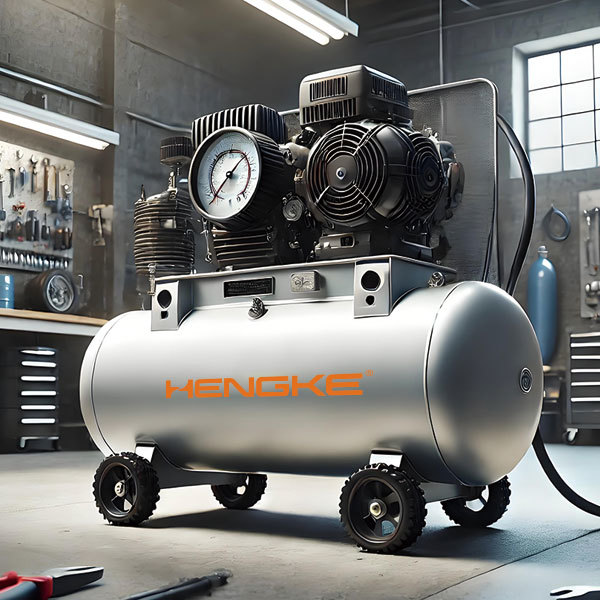
Direct driven air compressors operate through a straightforward mechanism where the motor directly drives the pump. This design reduces the number of moving parts, thus minimizing wear and tear and improving the overall durability of the unit. The direct connection between the motor and pump allows for more efficient air compression, leading to quicker recovery times and a higher output of compressed air.
3. Key Advantages of Direct Driven Air Compressors
The benefits of using direct driven air compressors in automotive shops are numerous, making them the preferred choice for many professionals in the field.
3.1 Higher Efficiency and Performance
One of the most significant advantages of direct driven air compressors is their superior efficiency. These compressors typically achieve higher air output (measured in Cubic Feet per Minute or CFM) with less energy consumption compared to their belt-driven counterparts. This efficiency translates into lower operational costs and a reduced carbon footprint, making them a smart choice for environmentally-conscious automotive shops.
3.2 Compact Design and Space Savings
Space is often at a premium in automotive shops. Direct driven compressors are designed to be compact, allowing them to fit into tighter spaces without sacrificing performance. This space-saving design enables shops to optimize their workflow and utilize their available area more effectively.
3.3 Reduced Maintenance Requirements
With fewer moving parts, direct driven air compressors require less maintenance than traditional models. This reduction in maintenance not only saves time and resources but also minimizes the risk of unexpected breakdowns. Automotive shops can rely on their compressors for consistent performance without the frequent upkeep associated with more complex systems.
4. Applications in Automotive Shops
Direct driven air compressors serve a multitude of functions in automotive shops, making them a versatile addition to any workspace.
4.1 Tire Inflation and Repair
Automotive shops frequently use air compressors for tire inflation and repair tasks. Direct driven compressors provide the necessary pressure to inflate tires quickly and efficiently, allowing technicians to enhance productivity and decrease wait times for customers.
4.2 Paint Spraying and Finishing
In the realm of automotive refinishing, quality is paramount. Direct driven air compressors deliver a consistent and controlled airflow, essential for achieving smooth and even paint application. This reliability ensures that paint jobs are performed to the highest standards, enhancing the shop's reputation for quality work.
4.3 Powering Pneumatic Tools
From impact wrenches to sanders, pneumatic tools are staples in automotive repair. Direct driven air compressors provide the necessary power to keep these tools running smoothly, enabling mechanics to work more efficiently and effectively. This capability allows for quicker turnaround times on repairs and services, leading to increased customer satisfaction.
5. Choosing the Right Direct Driven Air Compressor
Selecting the appropriate air compressor for your automotive shop is crucial to maximizing efficiency and productivity.
5.1 Understanding CFM and PSI Requirements
Before purchasing a direct driven air compressor, it's essential to understand your shop's CFM (Cubic Feet per Minute) and PSI (Pounds per Square Inch) requirements. Different tools and applications will demand varying levels of air pressure and volume, so it's vital to assess your needs accurately.
5.2 Noise Levels and Operating Environment
Noise levels can significantly impact the working environment in an automotive shop. When selecting a direct driven air compressor, consider models designed for quieter operation to create a more pleasant workspace for employees and customers alike.
5.3 Budget Considerations
While it may be tempting to opt for the cheapest option available, investing in a high-quality direct driven air compressor can pay off in the long run. Consider the initial purchase price, as well as the potential savings in energy costs and maintenance over time, to determine the best value for your shop.
6. Installation and Maintenance Best Practices
Proper installation and maintenance are vital to ensuring the longevity and performance of your direct driven air compressor.
6.1 Proper Installation Techniques
Ensure that your compressor is installed in a well-ventilated area, away from any combustible materials. Follow the manufacturer's guidelines for installation to prevent any operational issues. Additionally, ensure that all connections are secure to avoid air leaks, which can reduce efficiency.
6.2 Regular Maintenance Tips
Conducting regular maintenance on your direct driven air compressor is crucial to its performance. Key maintenance tasks include regularly checking and changing the oil, cleaning the air filter, and inspecting hoses and connections for wear. Adhering to a maintenance schedule will help your compressor operate efficiently and prolong its lifespan.
7. Common Issues and Troubleshooting
Even with proper care, issues can arise with direct driven air compressors. Common problems include inadequate air pressure, strange noises, or overheating. When troubleshooting, start by checking for air leaks in hoses and connections. Ensure that the compressor is receiving adequate power and that the oil levels are sufficient. If problems persist, refer to the manufacturer’s instructions or consult a professional technician for assistance.
8. Conclusion
Direct driven air compressors are a pivotal element of modern automotive shops, enhancing efficiency, productivity, and reliability. Their compact design, reduced maintenance needs, and versatility make them an ideal choice for any automotive service provider. By investing in a high-quality unit and following best practices for operation and maintenance, automotive shops can optimize their performance and ultimately provide better service to their customers.
9. FAQs
1. What is the primary advantage of direct driven air compressors over belt-driven models?
Direct driven air compressors are generally more efficient as they have fewer moving parts, leading to less wear and tear and reduced maintenance needs.
2. How do I determine the right CFM and PSI requirements for my shop?
Assess the tools and applications you plan to use in your shop, as different equipment will require varying levels of air pressure and volume.
3. Can direct driven air compressors be used for industrial applications?
Yes, while they are commonly used in automotive shops, direct driven air compressors can also be suitable for various industrial applications, depending on their specifications.
4. How often should I perform maintenance on my air compressor?
Regular maintenance should be performed according to the manufacturer’s guidelines, typically every 3-6 months, depending on usage.
5. What should I do if my air compressor is not producing enough pressure?
Check for air leaks, ensure proper power supply, and verify that the oil levels are adequate. If issues persist, consult a technician.